Queensway removals near Kensington Gardens Bayswater access tips
Posted on 04/07/2026
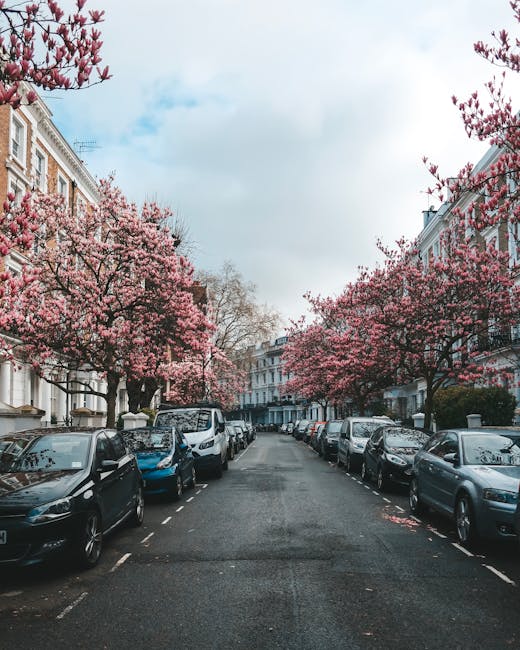
Queensway Removals Near Kensington Gardens Bayswater Access Tips
If you are planning Queensway removals near Kensington Gardens Bayswater access tips, the real challenge is usually not the boxes. It is the access. Narrow streets, busy school runs, garden traffic, controlled parking, and the simple fact that Kensington Gardens sits right in the middle of a very active part of West London can turn a straightforward move into a surprisingly fiddly one. The good news? With the right timing, vehicle choice, and a little local know-how, you can keep the day calm and efficient. This guide breaks down what matters, what to avoid, and how to move with less stress, whether you are shifting a flat, a family home, or a small office nearby.
For readers who want a broader look at local living and property context, it can also help to explore whether Bayswater is a great place to live and the area's mix of old and new. Those details matter more than people think when you are planning a move around Queensway and the garden edges. Traffic, loading space, and building access all become easier to judge when you understand the neighbourhood.
Expert summary: The best moves near Kensington Gardens are rarely the ones with the biggest vehicle or the fastest crew. They are the ones that match the street, the building, and the timing. Get those three right, and most of the headaches simply never show up.
Below, you will find practical access tips, a step-by-step approach, common mistakes, a comparison table, and a realistic checklist you can use the day before the move. No fluff. Just the stuff that actually helps.
Why Queensway removals near Kensington Gardens Bayswater access tips Matters
Access is the difference between a tidy, controlled removal and a day spent circling the block wondering where the van can actually stop. Around Queensway, the roads feeding toward Kensington Gardens and Bayswater are busy for a reason: residents, visitors, delivery vehicles, hotels, restaurants, and all the normal London traffic that seems to arrive exactly when you do. If your move involves a large van, a long carry, or awkward furniture, small access issues can quickly become expensive in time and energy.
This is especially true for flats and mansion blocks. Some buildings have rear service entrances, some rely on narrow corridors or small lifts, and some have neither. If you are moving from a flat, a quick look at flat removals in Bayswater can help you think through the practical side of shared entrances, stairwells, and loading restrictions before moving day arrives. That sort of preparation often saves the day.
Let's face it, a move near Kensington Gardens is not just about distance. It is about timing, vehicle fit, and the confidence that your crew can reach the property without blocking traffic or fighting for space that was never really there in the first place. And if you have ever tried to reverse a van into a tight spot while someone behind you is tapping the steering wheel impatiently, you know exactly what I mean.
How Queensway removals near Kensington Gardens Bayswater access tips Works
A local removal near Queensway usually follows a fairly simple pattern, but the details vary depending on the property and the street. First comes the access check. That means looking at the front entrance, any rear service access, the width of the road, the distance from the vehicle to the door, and whether your building has a lift or just stairs. After that, you decide on the best vehicle size and loading plan.
In many cases, people choose a smaller vehicle or a flexible crew rather than going for the biggest van available. Why? Because a compact setup can sometimes get closer to the property, which saves walking time and reduces the risk of damage. If you are comparing move styles, it may be useful to look at the practical differences between man and van Bayswater and a larger removal van Bayswater option. The right choice depends on volume, parking, and how awkward the access is.
The actual move day usually runs better when loading and unloading are planned around the street layout. For example, a van parked even a short distance away from the entrance can add several extra trips. That sounds minor until you are carrying a bookcase, a mattress, and a box of kitchen bits in light rain. Then every extra metre matters.
If you need a more complete look at service types and how they fit together, the services overview is a helpful starting point. It gives a broader sense of how different removal options support different kinds of local moves.
Key Benefits and Practical Advantages
Planning access properly brings a few very real benefits. The first is simple efficiency. The less time spent hunting for access, the less time spent paying people to wait or wrestling with awkward angles. The second is safety. Tight corners, steep steps, and blocked sight lines are exactly where scraped furniture and minor injuries tend to happen. The third is peace of mind, which is not a small thing on moving day.
- Less waiting time: A van that can load close to the entrance keeps the schedule moving.
- Lower risk of damage: Shorter carries mean fewer chances to chip furniture or mark walls.
- Better parking decisions: A plan helps you avoid last-minute improvising on busy roads.
- Smoother coordination: Everyone knows where to stand, what to carry, and when to move.
- Less stress: You are not trying to solve access problems while boxes are already halfway down the stairs.
There is also a cost angle. A move that is planned well can often be completed more neatly, which may reduce the number of hours needed. If you are comparing budgets, it is worth reviewing pricing and quotes early rather than leaving it to the week of the move. That way you can match the move type to the real access conditions, not just to the size of your living room.
For many people, especially those moving within the same neighbourhood, the real win is not dramatic savings. It is just a day that feels manageable. That's the thing people remember.
Who This Is For and When It Makes Sense
This guide is for anyone moving into, out of, or around the Queensway and Bayswater area where access is likely to be part of the challenge. That includes renters leaving upper-floor flats, families moving furniture from larger homes, students changing accommodation, and office teams relocating a small workspace nearby.
If you are moving a smaller load and need flexibility, a local man with van Bayswater setup may suit you well. If you are dealing with heavier or more delicate items, such as beds, wardrobes, or specialist furniture, then a more structured removal team is often the better call. The same goes for anyone who needs help at short notice. London life is not always tidy, and sometimes the move has to happen fast. That is just how it is.
It also makes sense for:
- People moving from period buildings with tight stairs or narrow hallways
- Residents close to the park who need to avoid busy visitor periods
- Anyone with limited loading access or controlled parking nearby
- Landlords and tenants arranging a same-day handover
- Small businesses relocating stock, desks, or office equipment
If you are a student or moving with a lighter load, student removals Bayswater can be a more suitable fit than a full-scale house move. And for larger homes, house removals Bayswater is the better route because the access planning can be handled more thoroughly from the start.
Step-by-Step Guidance
Here is the simplest way to approach a move near Kensington Gardens without making it harder than it needs to be.
- Check the exact property access. Look at the front door, side entrance, lift, stairwell, and any permit or loading restrictions. Do not guess. Guessing is how moving days get weird.
- Measure the awkward bits. Doorways, stair bends, lift dimensions, and street width all matter more than people expect.
- Choose the right service type. A smaller vehicle may suit a compact flat move, while a larger crew may be needed for bulky furniture or multiple rooms.
- Think about timing. Early morning is often easier than mid-afternoon near busy routes, but always match timing to building rules and local traffic.
- Reserve a parking or loading plan. If the van cannot stop nearby, your whole day changes. Better to solve this before the crew arrives.
- Pack for fast carry-out. Label boxes clearly, keep essentials separate, and avoid loose items that slow everything down.
- Protect the building and items. Use blankets, wraps, and corner protection where needed.
- Do a final walk-through. Check cupboards, lofts, under beds, and behind doors. People forget things in the strangest places.
A sensible access plan is especially useful if you are arranging a move with a smaller team. In some cases, a man and a van Bayswater arrangement can be ideal because it stays flexible. In other cases, a fuller removal services Bayswater approach is better because it gives you more hands for stairs, furniture, and loading pressure.
One small but helpful habit: ask someone to stand at the entrance while another person waits by the vehicle. That tiny bit of coordination saves time, especially in busy London streets where visibility is not always your friend.
Expert Tips for Better Results
Here is where the move gets noticeably easier.
Tip 1: Plan for the shortest carry, not the largest van. Bigger is not always better in central London. If a smaller vehicle can park closer, it may outperform a larger one that has to stop half a street away.
Tip 2: Keep the lift free if the building has one. Sounds obvious, but shared lifts can become a bottleneck quickly. Use it only for moving tasks during the heaviest part of the job.
Tip 3: Pack by room and by weight. Heavy books in small boxes, lighter items in larger ones. It sounds boring. It also works.
Tip 4: Protect corners and frames in advance. Hallway scuffs are one of those little annoyances that linger after the move is done. Prevention is easier than apology.
Tip 5: Keep one person available to answer access questions. A driver, porter, or crew member may need quick confirmation on the door, lift, or parking point. Delays stack up fast when no one is ready to answer.
If you are moving furniture, especially pieces that are awkward or valuable, it may be worth reviewing furniture removals Bayswater. For upright instruments or heavier delicate items, piano removals Bayswater is the sort of specialist support that can prevent expensive mistakes. A piano on a narrow staircase is nobody's idea of a fun afternoon, truth be told.
And one practical London habit: build a little buffer into the schedule. Even a 15-minute cushion can make a busy street feel much more forgiving.
Common Mistakes to Avoid
Most access problems are avoidable. The trouble is, people often only discover them after the van has arrived and everyone is already committed.
- Assuming the van can park outside: This is the classic mistake. Central and inner London streets do not always offer obvious stopping space.
- Ignoring building rules: Some blocks have strict move-in times, lift bookings, or noise expectations.
- Underestimating stair pressure: What looks manageable with one box quickly becomes tiring with twelve.
- Packing boxes too heavily: Overfilled boxes are awkward to carry and more likely to fail halfway through the job.
- Forgetting to measure bulky furniture: Wardrobes and sofas have a funny way of looking smaller in the lounge than they do in the stairwell.
- Leaving parking decisions until the last minute: That usually leads to rushing, and rushing leads to mistakes.
Another common oversight is not checking what kind of move you actually need. A same-day changeover can work well, but only if the access is simple enough. If your move is urgent, a same-day removals Bayswater option may help, though the access still needs to be realistic. Fast does not mean magical.
If you want a broader sense of how different providers compare, removal companies Bayswater is worth looking at as a category of support rather than just a price point. The cheapest quote is not always the safest or most workable when access is difficult.
Tools, Resources and Recommendations
You do not need a trolley-load of equipment to handle a local removal well, but a few practical tools make a genuine difference.
- Furniture blankets and wraps: Useful for protecting finishes and avoiding scuffs in tight hallways.
- Labels and marker pens: Keep boxes readable. It saves time and reduces confusion later.
- Sturdy tape: Not glamorous, but essential.
- Hand truck or sack barrow: Great for boxes and smaller appliances where space allows.
- Door wedges: Handy when multiple people are moving items through the same entrance.
- Reusable crates or quality boxes: Better for repeated local moves and easier to stack safely.
For packing support, packing and boxes Bayswater is a useful service area to consider if you want help preparing before moving day. It is one thing to own boxes. It is another thing to have the right ones in the right quantities, on time.
If you need temporary holding space because your move dates do not quite line up, storage Bayswater can be a practical fallback. That is especially helpful when access at one property is straightforward but the next one is not ready yet. A gap in the schedule is annoying, yes, but not the end of the world.
For a general sense of the company's approach to move support, you can also read about removals Bayswater as a broader service offering. That helps if you are deciding whether you need simple transport, help with loading, or a more complete end-to-end move.
Law, Compliance, Standards, or Best Practice
For local removals, the biggest compliance issues usually sit around safety, parking, loading, insurance, and property rules rather than anything dramatic. The safest approach is to treat access as a planning task, not an afterthought. If your building has move bookings, lift reservations, porter instructions, or noise limits, follow them carefully. Those little rules exist for a reason, and they tend to save everyone time in the end.
From a practical UK standpoint, good moving practice means keeping walkways clear, not overloading boxes, and making sure anyone handling heavy items understands what they are lifting. If a move involves shared entrances, tight staircases, or the public footpath, careful coordination matters. Simple things, really, but they make a big difference.
It is also sensible to check the provider's approach to safety and insurance before booking. A reputable moving service should be able to explain how it handles item protection, transport risks, and customer property. If you want to understand those basics in more detail, the insurance and safety page is a sensible place to start. Likewise, it is always worth reading the health and safety policy so you know what standards are being followed.
For any service arrangement, the small print matters too. Terms, payment handling, privacy, and complaint routes should all be clear before anything begins. That is normal due diligence, not fussiness. If you want to check the formal side of things, these pages are there for that purpose: terms and conditions, payment and security, privacy policy, and complaints procedure.
Options, Methods, or Comparison Table
If you are deciding how to move near Kensington Gardens, the right option usually comes down to access, volume, and time pressure. Here is a plain-English comparison.
| Option | Best for | Access advantage | Trade-off |
|---|---|---|---|
| Man and van | Small to medium loads, flexible local moves | Often easier to position close to the property | Less suitable for larger household moves |
| Removal van | Larger loads, fuller homes, heavier items | Can handle more volume in fewer trips | May be harder to park in tight streets |
| Full removal service | Complex moves, multiple rooms, fragile items | Best planning and handling support | More coordination, sometimes higher cost |
| Same-day move | Urgent handovers or short notice changes | Quick response if the route and access are manageable | Less room for flexibility if access is poor |
In practical terms, the easiest choice is the one that matches your building, not your wishful thinking. A compact flat with decent street access can work well with a lighter setup. A top-floor apartment with tight stairs and a heavy wardrobe needs a different approach entirely.
If you are still weighing which setup fits your situation, the more general man with van Bayswater and removal van Bayswater options are useful comparison points. It is not about choosing the fanciest label. It is about choosing the one that makes the day go smoothly.
Case Study or Real-World Example
Here is a realistic example from a common Bayswater-style move. A couple was leaving a third-floor flat near Queensway and heading only a short distance away, but the building had a narrow staircase, no lift booking available that morning, and limited roadside stopping. Nothing impossible. Just awkward enough to matter.
They first assumed a larger van would be safer because everything would fit in one trip. That sounded logical until they checked the street access. The better choice turned out to be a smaller vehicle that could stop closer to the entrance, with extra time set aside for a careful carry. They packed books in small boxes, kept clothes in lighter bags, and separated the fragile kitchen items early. The move took a bit more organisation than they expected, but it avoided the biggest problem: repeated long carries from the curb.
The crew also booked the move for a quieter time of day, which helped a lot. Early traffic was still there, of course, because this is London and traffic enjoys appearing everywhere, but the road was manageable. The result was not dramatic. It was just calm, efficient, and finished without any damage. Which, honestly, is what most people want.
What stood out most was how much the access plan mattered compared with the volume itself. They had not moved far, but the local conditions still shaped everything. That is the real lesson.
Practical Checklist
Use this checklist the day before your move.
- Confirm the property address and exact entrance to use
- Check lift availability or stair access
- Review parking, loading, or waiting restrictions
- Measure large furniture and any tight corners
- Pack heavy items into small, manageable boxes
- Label boxes by room and priority
- Set aside essentials for the first night
- Protect floors, walls, and door frames where needed
- Keep keys, documents, and phone chargers separate
- Confirm the arrival time and contact details
- Make sure someone can direct the crew if access changes
- Do one final sweep of cupboards, loft spaces, and storage areas
If you are moving out of a mixed-use building or need a little extra time between addresses, consider whether storage Bayswater will make the process easier. Sometimes the smoothest move is the one with one less pressure point.
Conclusion
Queensway removals near Kensington Gardens Bayswater access tips come down to one simple idea: access planning makes the move easier than brute force ever will. When you check parking, measure the awkward bits, choose the right vehicle, and think about the property layout in advance, the whole day becomes more predictable. And predictability is underrated during a move.
Whether you are moving a flat, a full home, or a business space, the best results usually come from careful preparation and a removal setup that fits the reality of the street, not just the size of the job on paper. That is especially true around Queensway and Bayswater, where traffic, building access, and timing can change the shape of the day very quickly.
If you want to read more about the local area before moving, the Bayswater properties investment guide and Bayswater property listings offer useful context. And if your move is part of a wider life change, the local atmosphere covered in Bayswater venues and party picks gives a nice feel for how the neighbourhood lives and breathes. It's a small thing, but it helps you picture the move as more than just boxes and vans.
Get a free quote today and see how much you can save.