Westminster council parking rules for Bayswater removals: a practical guide for a smoother move
Planning a move in Bayswater can feel straightforward right up until the van arrives and you realise the street is tight, the parking bays are full, and loading is suddenly the whole game. That's where Westminster council parking rules for Bayswater removals matter. Get them right and the day runs calmer. Get them wrong and you can end up with delays, extra carrying distance, or a penalty that nobody wants to explain at the end of moving day.
This guide breaks the topic down in plain English: what the rules mean in practice, why they matter for removals in Bayswater, how to plan around them, and where people most often trip up. If you are moving a flat, a family home, or even an office nearby, the details below will help you avoid the usual headaches. And yes, a little local planning goes a long way.
Why Westminster council parking rules for Bayswater removals Matters
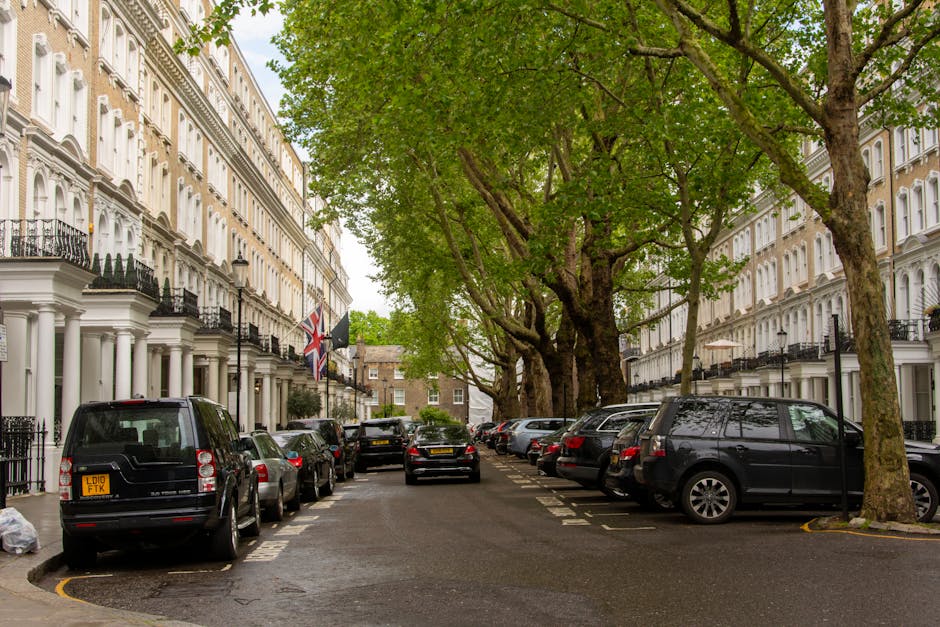
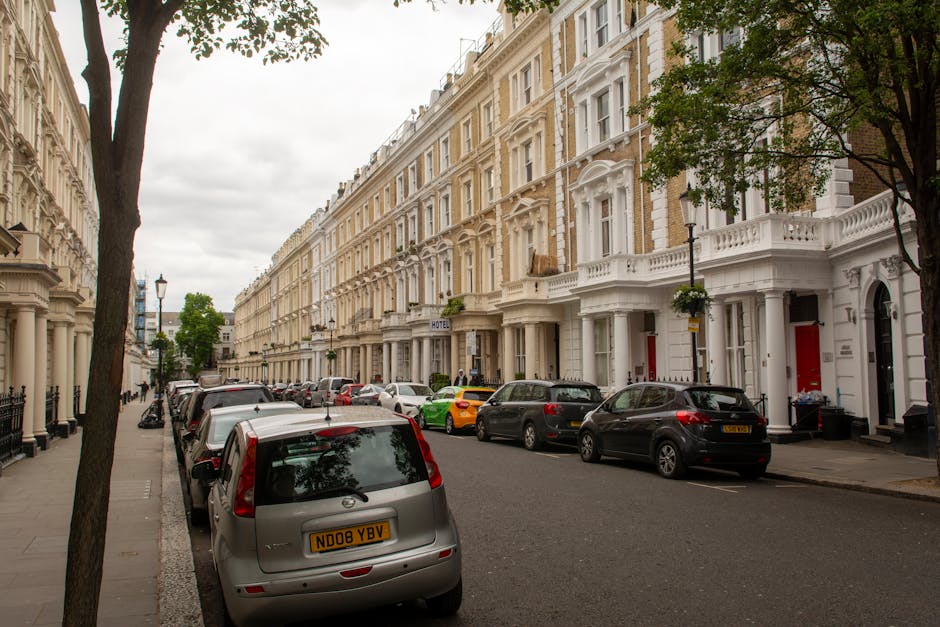
Bayswater is one of those areas where the street scene can change from one block to the next. Some roads have controlled parking. Others have loading restrictions. Some parts are busy with residents, deliveries, and visitors all trying to use limited kerb space. For removals, that matters a lot.
A moving van is not like a normal car. It needs room to stop, load, and sometimes stay put for longer than a standard passenger vehicle. If you assume you can just "pull up outside" and it turns out you can't, the whole day can get messy fast. Furniture has to be carried further. A lift booking may get thrown off. The clock starts to bite. Let's face it, nobody enjoys a stairwell full of boxes because the vehicle is two streets away.
Westminster council parking rules are there to manage road use fairly and safely. For a removal, they can affect where the van can wait, how long it can stay, whether loading is permitted, and whether a bay suspension or temporary dispensation is needed. In practical terms, the rules shape the whole moving plan.
There is also a financial side. Missed restrictions can lead to penalties or extra operational costs. Even when a move goes smoothly, parking conditions can affect the time required and, by extension, the service approach. If you are comparing options, that context matters. You want a removal plan that respects local parking controls instead of hoping for the best. Hope is not a strategy. Not on moving day.
How Westminster council parking rules for Bayswater removals Works
In simple terms, the process is about matching your moving vehicle and loading activity to the parking controls on the street where the property sits. That usually means checking whether the road has:
- resident permit bays
- pay-and-display spaces
- single or double yellow lines
- loading restrictions
- time-limited waiting rules
- temporary bay suspensions or special dispensations
The exact arrangements vary from street to street, which is why local knowledge is so helpful. A van can be perfectly legal in one spot and in the wrong place ten metres down the road. That is especially true around busier Bayswater roads where traffic, servicing activity, and narrow carriageways leave little room for error.
For removals, the key question is usually not just "Can we park?" but "Can we load safely and legally for long enough to complete the job?" That might involve a short loading window, using a shared bay, or arranging permission in advance if the space needs to be reserved. If a building has restricted access or a tight forecourt, the parking decision may affect everything from the route through the lobby to how many trips the crew needs to make.
Here is the practical reality: a planned move in Bayswater is rarely about luck. It is about timing, vehicle choice, building access, and parking control all lining up at once. When they do, the job feels almost easy. Almost.
If you are arranging broader moving support, pages like removal services and man and van can help frame the kind of vehicle and crew setup that suits your route and loading conditions.
Key Benefits and Practical Advantages
Following the parking rules properly may sound administrative, but it brings real benefits on moving day. In the Bayswater area, those benefits are often more noticeable than people expect.
- Fewer delays: a van positioned legally and sensibly can start loading sooner.
- Less carrying distance: keeping the vehicle close reduces strain and saves time.
- Lower risk of penalties: compliance helps avoid fines and disputes.
- Smoother building access: timing the van correctly works better with lifts, concierge desks, and neighbours.
- Better crew efficiency: the team can focus on loading rather than parking problems.
- Less stress for you: one fewer thing to juggle on an already full day.
There is another benefit people often miss: good parking planning can improve how the move feels. You know that slightly frantic feeling when everyone keeps checking the clock and peering out of the window? Avoiding that is worth something in itself. It sets the tone.
For a lot of Bayswater residents, a move is happening in a building with shared access or on a busy street close to schools, shops, or transport links. A clean parking plan keeps things polite and practical. That might sound minor, but anyone who has tried to manoeuvre a van around a narrow London road in the rain will know it's not minor at all.
If your move includes boxing, dismantling, or temporary storage, it can also help to look at packing and boxes and storage so the parking and loading plan fits the rest of the move properly.
Who This Is For and When It Makes Sense
This topic is relevant to a wide mix of people, not just big house moves. In practice, Westminster council parking rules for Bayswater removals matter to anyone who needs a vehicle to load or unload near a property in a controlled parking area.
- Flat movers: especially where the building sits on a restricted street or behind a narrow access point.
- House movers: when furniture, appliances, and multiple boxes mean longer loading time.
- Students: if you are moving in or out with one van and a tight schedule.
- Office teams: small business moves often need early starts and structured access.
- Landlords and letting agents: arranging move-in or move-out logistics for tenants.
- Anyone using a van for collection: even a furniture pick-up can run into parking controls.
It makes especially good sense to think about parking rules when the moving window is short. Same-day moves, end-of-tenancy handovers, or jobs coordinated around a building slot do not leave much room for parking confusion. If the lift is booked for an hour and the van is still circling, the pressure mounts quickly.
Truth be told, this is also relevant if your move seems small. A single sofa can take more time than you think when the van cannot stop near the entrance. Small move, big annoyance. That combination is famous.
Step-by-Step Guidance
If you want the smoothest possible outcome, treat parking as part of the move plan, not an afterthought. Here is a practical way to handle it.
- Check the street location first. Identify the exact road, the nearest curb space, and any signs that affect stopping or loading.
- Assess the moving vehicle. A small van, long-wheelbase van, or larger removal truck may all face different space constraints.
- Look at the timing. Consider weekday restrictions, resident permit hours, and whether the move is early morning, midday, or evening.
- Review loading needs. Ask how long the team is likely to need at the property entrance and whether the van must stay outside throughout.
- Plan for building access. Lift booking, concierge sign-in, hallway width, and stair access all affect the parking choice.
- Arrange permissions if needed. Some moves benefit from advance arrangements such as bay suspensions or other parking controls. The exact requirement depends on the street and circumstances.
- Build in a buffer. Add extra time for traffic, walking distance, and the odd unexpected hiccup. There is always one little hiccup, isn't there?
- Brief everyone clearly. Make sure the driver, movers, and any household member involved know where the van should stop and who is checking access.
That sequence sounds simple, but it makes a real difference. In our experience, the jobs that go best are the ones where someone has already thought through the parking. Not in a dramatic, spreadsheet-loving way. Just enough to prevent avoidable drama.
If your move is likely to be time-sensitive, you may also want to explore same-day removals for situations where the schedule is tight and parking needs to be handled efficiently.
Expert Tips for Better Results
These are the kinds of small moves that can save a lot of hassle later.
- Do a street walk before moving day. It sounds basic, but standing on the pavement and looking at the signs is often more useful than assuming the map tells the whole story.
- Use the property side that gives the easiest loading route. Sometimes a side entrance or rear access is far better than the front door, if permitted.
- Choose the right vehicle size. A smaller removal van can be a smarter choice than a larger truck when space is limited.
- Keep packing tidy and compact. If boxes are already labelled and ready to go, the van spends less time parked.
- Protect elevator and hallway timing. Building rules and parking rules often need to work together, not separately.
- Have a backup point for the van. If the first choice turns out to be unavailable, know the next best place before the day begins.
A quiet local insight: Bayswater streets can feel very different at 8am than at lunchtime. Early starts often help with loading, but they can also bring residents heading out, deliveries, or school traffic. So timing matters, not just the sign on the road.
If you are moving valuable or awkward items, such as a piano or heavy furniture, parking becomes even more important because those items are slower to manoeuvre. In that case, services like piano removals and furniture removals are worth considering alongside the parking plan.
Common Mistakes to Avoid
Most parking-related moving problems are surprisingly avoidable. The issue is usually not that people don't care; it's that they assume the street will be convenient. In Bayswater, convenience is often conditional.
- Assuming any curb space will do. Controlled parking and loading restrictions can make that assumption expensive.
- Leaving the parking check until the morning of the move. By then, the best plan is already a bit late.
- Underestimating loading time. A van might only seem "quick" until the third wardrobe comes down the stairs.
- Ignoring building restrictions. The street may be fine, but the building may not be ready to receive the vehicle or the crew.
- Choosing a vehicle that is too large. Bigger is not always better, especially on tight London roads.
- Forgetting permit or suspension details. If an arrangement has been made, everyone should know the exact terms.
One of the biggest mistakes is treating parking as separate from removals. It isn't. It's part of the job. A very practical part. If the van cannot position well, the rest of the plan starts leaning on a chair with one short leg.
Another common issue is overpacking the schedule. If the moving crew arrives and then has to spend twenty minutes working out where they can stop legally, the day starts behind. And once you are behind in a London move, the city has a funny way of reminding you.
Tools, Resources and Recommendations
You do not need a toolbox full of specialist systems to get this right, but a few simple tools and documents help a lot.
- A current street view or walk-through: useful for checking bay lines, signage, and kerb access.
- Building access details: lift dimensions, concierge notes, opening times, and any booking rules.
- A moving inventory: this helps match the vehicle size to the actual load.
- A contact list for the day: driver, property contact, and anyone managing keys or entry.
- A written moving schedule: even a simple timeline on paper can keep everyone aligned.
- Protective packing materials: if loading takes a bit longer than planned, good protection pays off.
For a fuller picture of the move itself, the pages on home moves, flat removals, and house removals can help you think through the move type before you lock in parking arrangements.
It is also sensible to look at practical support such as packing and unpacking services if you want the move to be faster and less chaotic. The more organised the load, the easier it is to use the parking window well.
Law, Compliance, Standards, or Best Practice
Parking control is not just a convenience issue; it is a compliance issue. In Westminster, as in much of London, the road network is managed through local parking rules, restrictions, and enforcement. For removals, best practice is to treat those rules as part of the operational plan rather than as background noise.
That means a few sensible standards should be followed:
- Use legal stopping and loading arrangements only. If a space is restricted, assume it is restricted until confirmed otherwise.
- Respect time limits. Even short loading periods can matter if the street has specific controls.
- Keep access safe. Never block pedestrian routes, dropped kerbs, or critical building access.
- Communicate clearly with the mover and the property side. A silent assumption is how small issues become larger ones.
- Plan for enforcement risk. Any street with controlled parking carries some enforcement possibility if the rules are not followed.
Best practice also means being realistic about what a removal team can do. A good crew can move quickly and carefully, but it cannot rewrite parking rules. Nor should it try. The safest and most professional approach is to plan around the restrictions, not improvise through them.
If you are booking a removal company, it is wise to check how they handle access and parking planning. The support pages at about us, insurance and safety, and health and safety policy can help you assess the kind of standards a mover should be able to explain clearly.
Options, Methods, or Comparison Table
There is more than one way to manage parking for a Bayswater move. The right choice depends on the property, the vehicle, and how much time you have.
| Approach | Best for | Advantages | Watch-outs |
|---|---|---|---|
| Standard street loading | Simple moves on less restricted roads | Quick to arrange and often straightforward | May not suit busy streets or longer loading times |
| Smaller van or man and van setup | Flats, student moves, and lighter loads | Easier to position in tight spaces | May require more trips if the load is larger than expected |
| Larger removal truck | Full house moves or bulkier items | More space for inventory and fewer vehicle trips | Harder to place near narrow roads or dense parking controls |
| Pre-arranged parking support | Restricted streets or high-pressure move days | Improves certainty and reduces last-minute stress | Needs early planning and may depend on local conditions |
For many Bayswater properties, the smartest option is not the biggest vehicle or the cheapest quote in isolation. It is the one that fits the access pattern best. A compact, well-timed setup can beat a larger, awkward vehicle almost every time.
If you are comparing vehicle types, the pages on removal van, removal truck hire, and moving truck can help you match the vehicle choice to the street layout and load size.
Case Study or Real-World Example
Here is a realistic example. A couple moving out of a Bayswater flat had booked a morning slot and assumed the van could simply wait outside the building while boxes were brought down. On the day, the road looked available from a distance, but the closest space was under parking control and another stretch was too busy for safe stopping.
The result? The driver had to find a legal stopping point a short walk away. That was manageable, but it added time and made the lifting harder. The movers were still professional, still calm, but the flow was not as smooth as it could have been.
What would have improved it?
- checking the exact bay and sign position the day before
- choosing a smaller van if the street was tight
- keeping the first load ready by the door
- allowing a better time buffer for loading
- coordinating with the building so the lift booking matched the parking window
The lesson is simple. The move did happen, and it was not a disaster. But it cost the team time and made everyone work a bit harder than necessary. That small difference matters. A lot, actually.
If the move includes commercial premises or a work setup, you may also want to review commercial moves or office removals so the parking plan suits business timings and building access.
Practical Checklist
Use this before moving day. It is simple, but it saves headaches.
- Confirm the exact property address and street layout
- Check the parking signs on the relevant side of the road
- Decide whether the vehicle needs to stay close throughout loading
- Match vehicle size to the street and the load
- Allow extra time for access, lifts, and stair carries
- Prepare boxes and furniture for quick loading
- Tell the mover about any restrictions, gate codes, or concierge rules
- Make sure the first load is ready before the van arrives
- Have a backup parking option in mind
- Double-check any arranged permissions or parking arrangements
Quick summary: if you plan parking early, the rest of the move becomes more manageable. If you leave parking to chance, everything else gets harder. It really is that plain.
You may also want to look at pricing and quotes if you are trying to compare a move with parking challenges against one with easier access. The access pattern can change the time, and the time changes the job.
Get a free quote today and see how much you can save.
Conclusion
Westminster council parking rules for Bayswater removals are not just a box to tick. They are a core part of making the move work properly. When you understand the street controls, plan the vehicle position, and factor in the building access, the day feels far less stressful and a lot more efficient.
In a place like Bayswater, where roads can be busy and space can feel precious, that planning pays off quickly. A little attention before moving day can save a lot of heavy lifting, a lot of waiting around, and quite possibly a lot of irritation too. And after all that, you deserve a move that feels calm, not chaotic.
If you are still at the planning stage, take a breath, check the street, and line up the access properly. The rest tends to fall into place more easily than you might think.
Frequently Asked Questions
What do Westminster council parking rules for Bayswater removals usually affect?
They usually affect where a moving van can stop, how long it can remain there, and whether loading is allowed at that time. In practical terms, they can shape the whole removal schedule.
Do I need to check the parking signs even for a small flat move?
Yes. Even a small move can run into restrictions, especially in busy Bayswater streets. A sofa, a bed, or a stack of boxes can still need a proper loading space.
Can a removals van just stop outside the property briefly?
Not always. It depends on the road markings, any loading allowance, and the time of day. Brief stops can still be restricted, so it is worth checking rather than assuming.
What happens if the van cannot park near the building?
The crew may need to load from a legal stopping point further away, which adds time and carrying distance. That can make the move more tiring and less efficient.
Is a smaller van better for Bayswater moves?
Often, yes, if the street is tight or parking is limited. A smaller van can be easier to position, though it may mean more trips if the load is large.
Should I arrange parking support in advance?
If the street is controlled or access is likely to be awkward, planning ahead is usually the safer option. Early preparation reduces the risk of delays on the day.
How far in advance should I think about parking for a move?
As early as possible, ideally during the booking stage. Parking, vehicle size, and access all influence each other, so leaving it to the last minute can create avoidable problems.
Does building access matter as much as street parking?
Yes, it does. Lift bookings, entry codes, concierge arrangements, and hallway access all need to line up with the parking window for the move to run smoothly.
What type of move most often needs careful parking planning?
Full flat moves, house moves, office moves, and any job involving bulky furniture or time-limited access usually need the most careful planning.
Where can I get help choosing the right moving setup?
You can compare the type of move, the amount of furniture, and the street conditions, then look at options like van size, packing support, and storage if needed. If you are unsure, it helps to speak with a mover who works regularly in the area.
Can parking issues increase the overall moving cost?
They can, indirectly. If parking is difficult, the job may take longer or require a different vehicle setup. That does not always mean a big cost increase, but it can affect the quote.
What is the best way to avoid parking trouble on moving day?
Check the street in advance, match the vehicle to the access, prepare your boxes early, and make sure everyone involved knows the plan. Simple, yes - but it works.
For any Bayswater move, the winning formula is usually the same: plan early, stay realistic, and give the parking side the attention it deserves. It makes the day lighter. And a bit kinder, too.